
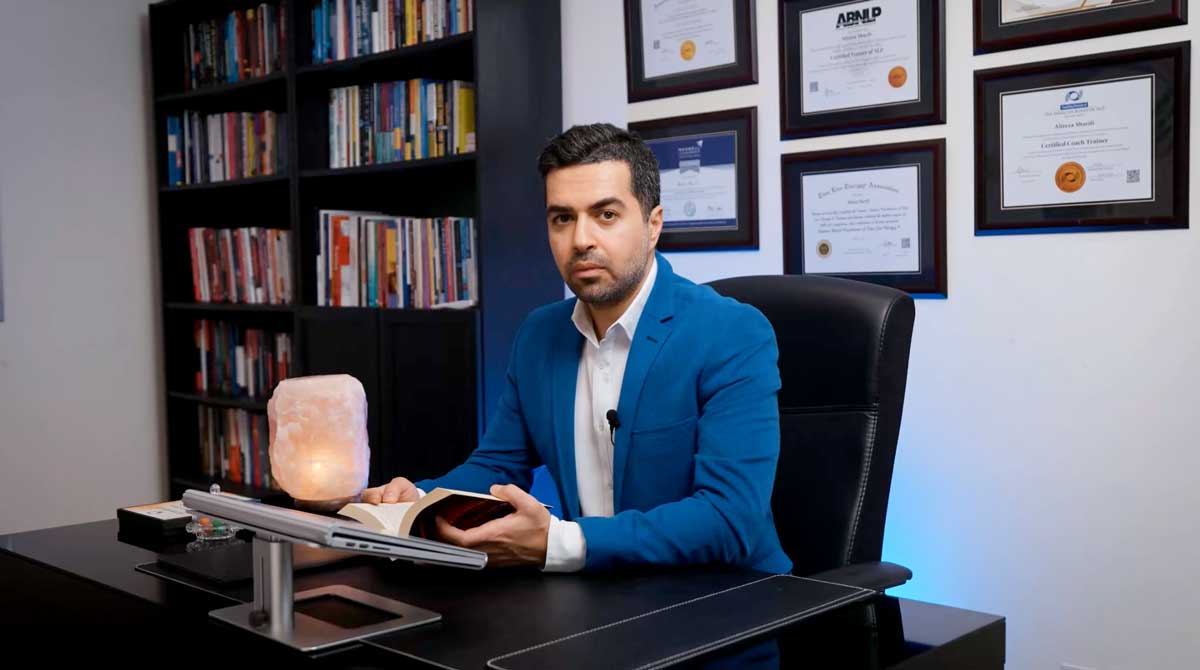
Even the smartest leaders get frustrated when knowledge doesn’t translate into action. I often hear executives tell me, “I know I need to delegate more,” or “I’ve read all the right books,” yet their calendars and habits look exactly the same. This article explores the science behind that disconnect and offers a practical framework for leadership behaviour change.
Even the smartest leaders get frustrated when knowledge doesn’t translate into action. I often hear executives tell me, “I know I need to delegate more,” or “I’ve read all the right books,” yet their calendars and habits look exactly the same. This article explores the science behind that disconnect and offers a practical framework for leadership behaviour change.
Many professionals who participate in leadership development programs through Corporate Training Canada or work with an executive coach through Dr. Alireza Sharifi’s coaching services discover that knowing what to do and actually doing it are often two very different things.
On its own, a good intention rarely leads to lasting change. In a meta-analysis covering ninety-four studies, psychologists Gollwitzer and Sheeran found that making implementation intentions—structured “if-then” plans that specify when, where and how to act—dramatically improves follow-through on goals.
Instead of telling yourself, “I’ll start recognising my team more,” an implementation intention might be: If it’s Friday afternoon, then I will schedule ten minutes to write thank-you notes to team members. Such plans force you to anticipate obstacles, choose the right context and decide exactly what to do.
Without that level of detail, leaders are left to wing it. They must remember to act, decide on the fly when to do it and fight off distractions—all while juggling other responsibilities. Well-crafted “if-then” scripts offload the decision from your working memory, making it easier to stick with new habits.
Many modern corporate leadership training programs now incorporate implementation intention techniques because they consistently improve behavioural follow-through.
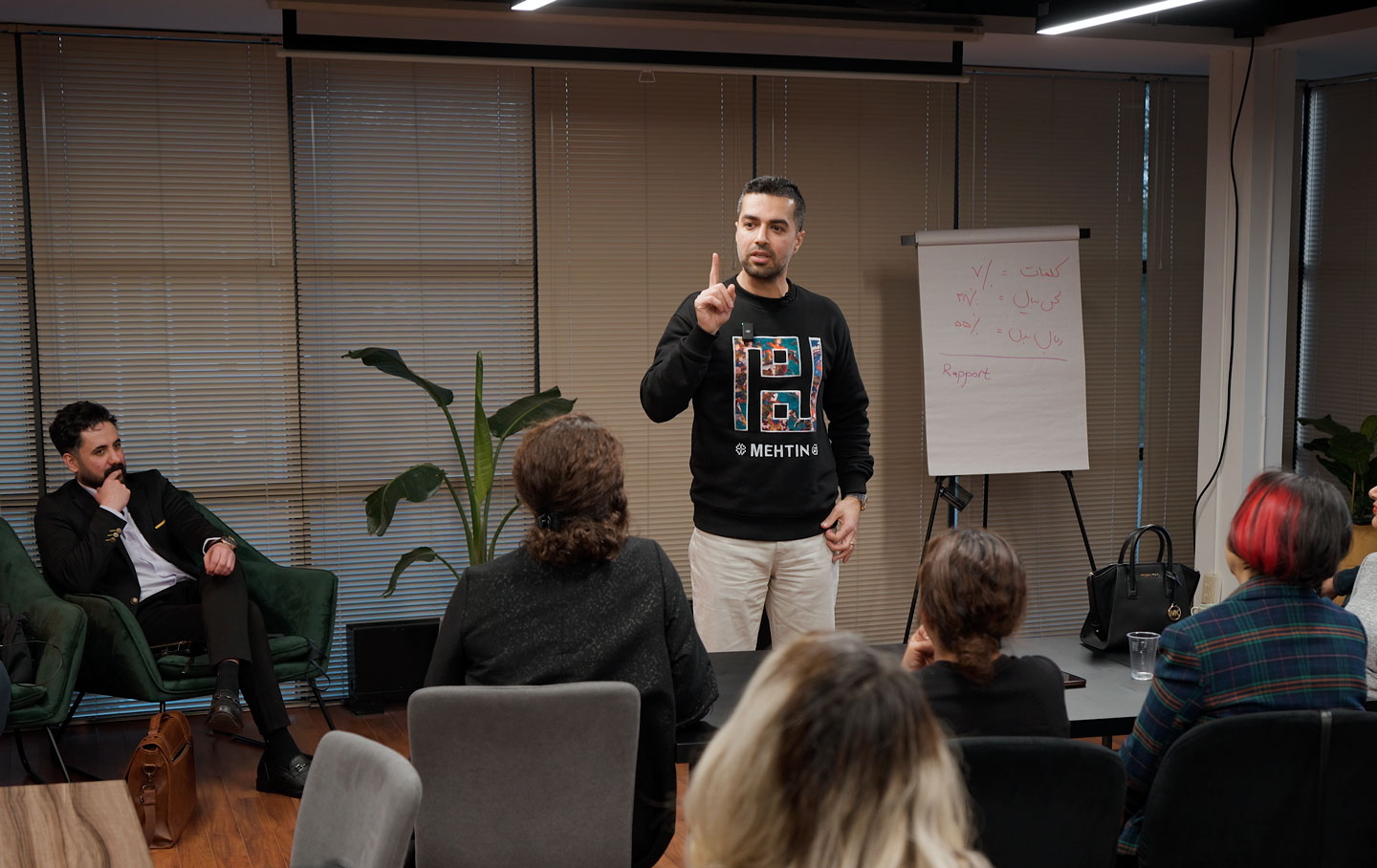
When stress spikes, leaders can default to defensive behaviours even when they know better. This is one reason why executive coaching engagements often focus on emotional intelligence and self-awareness as essential leadership competencies.
Habitual Patterns Outlast Good Intentions
Habits aren’t just things you do often; they’re automatic responses to cues in your environment. Once your brain links a behaviour to a context—checking email the moment you sit down at your desk—your intentions have less influence.
Under stress, your mind chooses the easiest route because it requires less effort. This is why leaders who vow to empower their teams still find themselves issuing orders in high-pressure meetings; the habitual neural pathway fires faster than the new intention.
Organizations committed to leadership excellence frequently invest in leadership development initiatives that help leaders recognize and reshape these automatic patterns.
The Role of Emotion Regulation
Feelings are part of the leadership landscape. Emotion regulation—the way we influence which emotions we have and how we experience them—can enhance or derail our leadership.
Hector Madrid’s research shows that behaviours aimed at improving one’s own feelings (like reappraising challenges or focusing on positives) boost job satisfaction and broaden thinking. In contrast, behaviours that worsen feelings (such as brooding over problems) increase negative affect and narrow focus.
Leaders caught in cycles of rumination may see threats everywhere and resort to controlling behaviours.
The Illusion of Willpower
Many high achievers credit willpower for their successes and believe it will carry them through behavioural shifts. Yet habit research tells us that automaticity comes from repeated actions in a stable context.
One study found it takes about sixty-six days for a new behaviour repeated in the same context to feel automatic. Willpower may spark the change, but redesigning cues and routines is what sustains it.

Drawing on the science of implementation intentions, habit formation and emotion regulation, here is a roadmap for leaders who want change that sticks.
Many successful executive development programs use these same evidence-based principles to help leaders achieve lasting behavioural transformation.
Ask yourself why the behaviour isn’t happening. Do you simply forget? Do you feel awkward? Pinpointing the obstacle helps you choose the right intervention.
Choose a behaviour that will address the barrier and decide exactly when and where you’ll do it.
For example:
“If I finish a one-on-one meeting, then I will ask, ‘What support do you need from me?'”
Use existing cues—calendar appointments, physical locations or emotional signals—and link your new behaviour to them.
Every time the cue happens, perform the new action. Habit strength grows with repetition.
Practice affect-improving strategies like reappraisal and attentional deployment in stressful situations. Reframing challenges and focusing on positives helps prevent emotional hijacks.
Keep track of how often you perform the new behaviour and how automatic it feels. If the habit isn’t forming, adjust the cue or simplify the behaviour.
Actionable Exercises
If you’re looking to strengthen leadership effectiveness throughout your organization, customized corporate training solutions can help leaders apply these concepts in real-world workplace situations.

Leadership Challenge | Typical Reaction | Research‑Backed Shift |
Forgetting to act | Rely on memory or sheer willpower | Build precise if‑then plans tied to specific cues |
Stubborn habits | Repeat old routines despite good intentions | Map cues and rewards, replace the routine and repeat until automatic |
Emotional derailment | React impulsively when stressed | Practise reappraisal and attentional deployment to shift your affect |
Examples
Knowing what to do is just the first step. Leaders stay stuck when they underestimate the pull of context, the momentum of habits and the impact of emotions. By combining implementation intentions with habit‑formation science and emotion regulation, you can design a leadership practice that aligns your daily actions with your highest intentions. Change isn’t about forcing yourself; it’s about redesigning your environment and responses so the right behaviours happen naturally.
Ready to turn insight into action? Let’s talk. Reach out to me at alireza@altatc.ca or visit my sites www.dralirezasharifi.com and www.corporatetraining.ca to learn how our programs can support your leadership journey.